
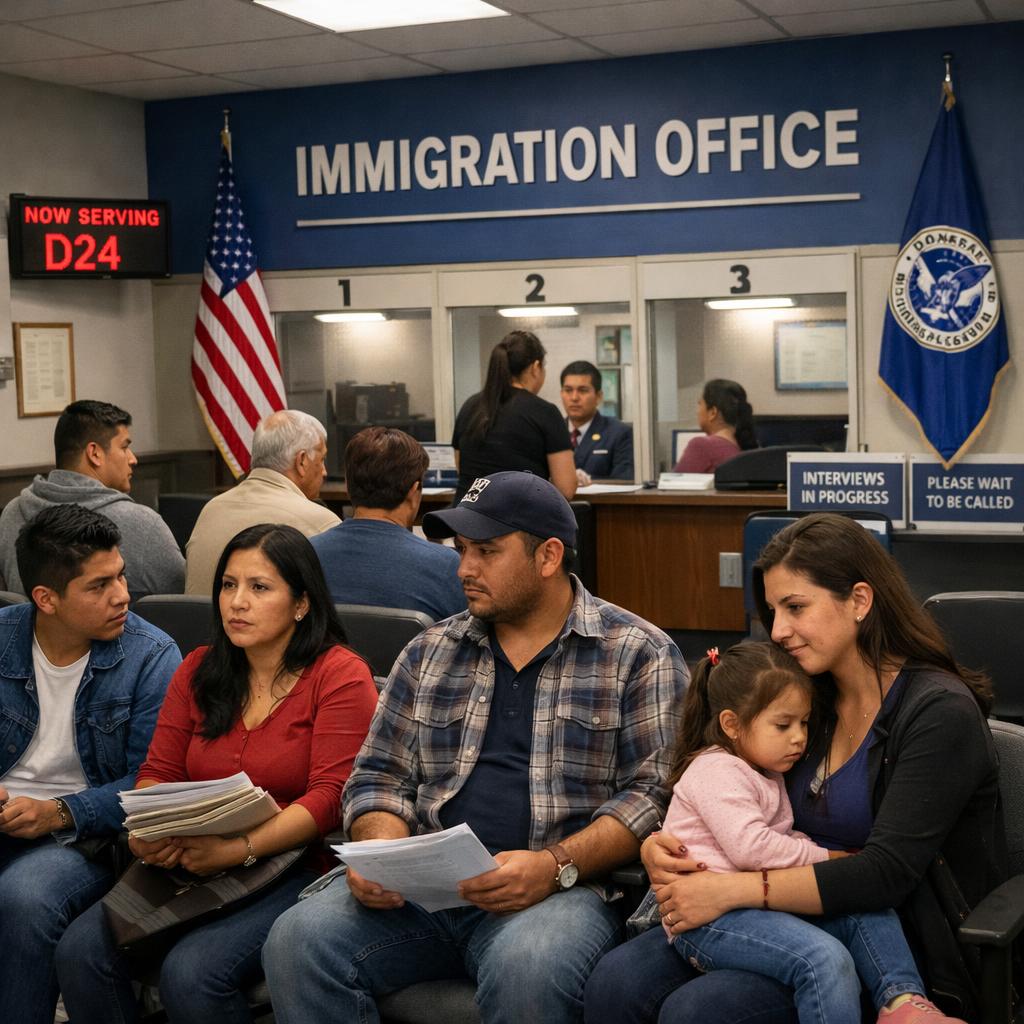
Immigration interviews with the U.S. Citizenship and Immigration Services (USCIS) are serious legal appointments. What you say during the interview becomes part of your immigration record. If English is not your main language, clear communication matters.
Many applicants ask the same question:
“Can I bring a family member to interpret for my USCIS interview?”
The answer may surprise you. While it may seem convenient, bringing a relative can cause problems and even delay your case.
This article explains the USCIS rules, what the government expects from interpreters, and why many attorneys prefer using a professional Spanish interpreter.
If you need help for your appointment, Toscano Interpretations offers Spanish interpretation services for USCIS interviews. Call 408-480-4166 and ask for Beatriz.
Why Interpretation Matters in Immigration Interviews
During a USCIS interview, officers ask detailed questions about your application. These questions may relate to:
- Marriage petitions
- Green card applications
- Citizenship applications
- Asylum interviews
- Immigration history
If an answer is translated incorrectly, the officer may misunderstand your statement. That misunderstanding can affect your case.
According to information published by USCIS, applicants who are not fluent in English must bring an interpreter who can communicate clearly in both languages.
Your interpreter must also sign Form G-1256, confirming that they will translate the conversation accurately and completely.
This is why many immigration attorneys recommend using someone trained in interpretation.
Why Family Members Can Cause Problems as Interpreters
Many people think bringing a spouse, cousin, or adult child is acceptable. While USCIS may allow it in some situations, it is often discouraged.
Here are several reasons.
1. Conflict of Interest
A family member may have a personal interest in the outcome of your immigration case. Because of this, officers sometimes prefer a neutral third party.
If the officer believes the interpreter is influencing answers, the officer can stop the interview.
2. Lack of Interpretation Experience
Interpretation is not the same as casual conversation.
A trained interpreter must translate everything said during the interview, including:
- Long legal questions
- Technical immigration terms
- Exact statements from the applicant
Even small changes in wording can alter the meaning of an answer.
3. USCIS May Reject the Interpreter
USCIS officers have the authority to reject an interpreter if they believe the person cannot interpret correctly.
If that happens, the officer may:
- Cancel the interview
- Reschedule the appointment
- Mark the case as incomplete
This can delay your immigration process.
USCIS Rules About Interpreters
According to USCIS guidance and policy updates:
- Applicants must bring their own interpreter if they are not fluent in English.
- The interpreter must be at least 18 years old.
- The interpreter must speak English and the applicant’s language fluently.
- Attorneys cannot act as interpreters during the interview.
- Both the interpreter and applicant must sign Form G-1256 at the interview.
You can review USCIS policies directly here:
These rules exist to protect the integrity of immigration interviews.
The Risk of Miscommunication During a USCIS Interview

Immigration officers rely on what is said during the interview to verify information in your application.
If an interpreter summarizes your answer instead of translating word-for-word, the officer may think the applicant is giving inconsistent information.
Examples of issues that occur when family members interpret:
- Missing details from the applicant’s answer
- Adding explanations that the applicant never said
- Giving advice during the interview
- Changing the meaning of a statement
Even small misunderstandings can lead to requests for additional evidence or follow-up interviews.
Why Immigration Attorneys Prefer Professional Interpreters
Immigration lawyers often recommend using a professional interpreter for one main reason:
Accuracy during legal communication.
Professional interpreters are trained to:
- Translate everything that is said
- Avoid personal opinions
- Keep conversations confidential
- Maintain neutral communication
Attorneys know that immigration interviews involve legal consequences. Clear interpretation protects the applicant.
Many law offices in California regularly work with outside interpreters for this reason.
Spanish Interpreter Services for USCIS Interviews
Spanish is one of the most common languages used in USCIS interviews. However, applicants cannot rely on the officer speaking Spanish.
Some officers may speak Spanish, but many do not. That is why USCIS recommends bringing an interpreter when needed.
If you have an upcoming immigration appointment and prefer speaking Spanish, a professional interpreter can help make the conversation clear.
Hire a Spanish Interpreter for Your USCIS Appointment
If you need a Spanish interpreter for a USCIS interview, Toscano Interpretations provides interpretation services for immigration appointments.
Services may include:
- USCIS interviews
- Immigration attorney meetings
- Asylum interviews
- Naturalization interviews
- Adjustment of status interviews
If you are preparing for an immigration appointment and want interpretation support, call:
📞 408-480-4166
Ask for Beatriz at Toscano Interpretations.
Having a professional interpreter present can make communication clearer during an important immigration interview.
Preparing for Your USCIS Interview
Here are several steps that can help your appointment go smoothly:
1. Confirm Your Interview Notice
Always read your USCIS interview notice carefully to confirm the date, location, and documents required.
2. Bring the Right Interpreter
Your interpreter must:
- Be fluent in both languages
- Be at least 18 years old
- Bring valid identification
- Sign Form G-1256 during the appointment
3. Arrive Early
Most USCIS offices recommend arriving at least 30 minutes before the appointment.
4. Speak Clearly
During the interview, speak directly to the officer while the interpreter translates your answers.
USCIS interviews play an important role in immigration cases. Clear communication can make a major difference during these appointments.
While some applicants consider bringing a family member as an interpreter, that choice can lead to complications if the officer questions the interpretation.
Many attorneys and applicants choose professional interpretation services so the conversation remains accurate and neutral.
If you need a Spanish interpreter for a USCIS appointment, Toscano Interpretations can help.
📞 Call 408-480-4166
Ask for Beatriz to schedule Spanish interpreter services for your immigration appointment.