
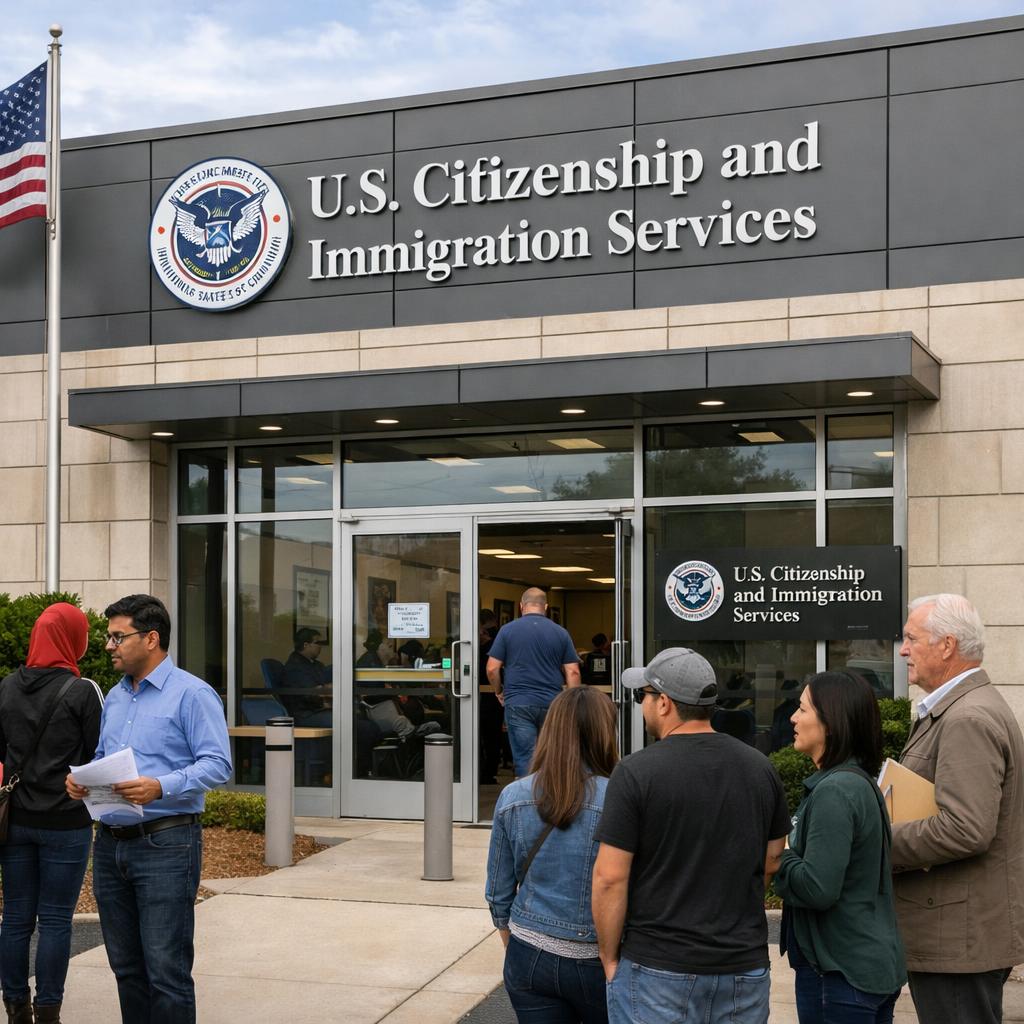
For many lawful permanent residents, the U.S. citizenship interview is the final step after years of waiting, paperwork, and personal sacrifice. One of the most common worries applicants share is the English test. Many people fear that limited English skills could block their chance at naturalization.
What many applicants and even some attorneys do not fully understand is that USCIS allows clear exceptions to the English requirement. These exceptions are based on age, length of time as a permanent resident, or qualifying medical conditions. When an applicant qualifies, the interview process changes, and a Spanish interpreter becomes a key part of the interview.
This 2026 guide explains who qualifies for English test exemptions, how USCIS handles these interviews, and why working with a professional Spanish interpreter matters.
If you or your client needs a Spanish interpreter for a USCIS citizenship interview, call (408) 480-4166 and ask for Beatriz at Toscano Interpretations.
USCIS English Requirement: The General Rule
Under normal circumstances, USCIS requires naturalization applicants to:
- Speak basic English
- Read and write simple English sentences
- Answer civics questions in English
The officer relies on spoken answers during the interview to evaluate eligibility. This is why USCIS is strict about communication during the process.
However, Congress created exceptions for applicants who meet specific criteria. These exceptions recognize that long-term residents and individuals with medical conditions should not be denied citizenship due to language barriers.
Age and Length of Permanent Residence Exceptions
The 50/20 Rule
An applicant qualifies for an English exemption if:
- They are 50 years old or older, and
- They have been a lawful permanent resident for 20 years or more
Under this rule:
- The English test is waived
- The civics test is still required
- The civics test may be taken in Spanish
- A Spanish interpreter is allowed at the interview
This rule applies to many long-term residents who have lived, worked, and paid taxes in the United States for decades.
The 55/15 Rule
An applicant qualifies if:
- They are 55 years old or older, and
- They have held a green card for 15 years or more
USCIS treats this exception the same way as the 50/20 rule:
- No English test
- Civics test required
- Civics test may be interpreted into Spanish
Applicants must still answer truthfully and clearly, which is why professional interpretation remains important.
The 65/20 Special Civics Rule
Applicants who are:
- 65 years or older, and
- Permanent residents for 20 years or more
Qualify for:
- An English exemption
- A simplified civics test
Instead of the standard civics format, the officer selects from a shorter list of questions. The applicant must answer fewer questions correctly. The test may be taken in Spanish with an interpreter.
Medical Disability Exception (Form N-648)
USCIS also allows a full exemption from both English and civics requirements for applicants with qualifying medical conditions.
What Is Form N-648?
Form N-648 is completed by a licensed medical professional, such as:
- A medical doctor
- A clinical psychologist
- An osteopath
The medical provider must explain how a physical, mental, or developmental condition affects the applicant’s ability to learn or show knowledge of English and civics.
Requirements for Approval
For USCIS to approve the medical exception:
- The condition must be medically diagnosed
- The condition must have lasted, or be expected to last, at least 12 months
- The condition must directly affect learning or communication
If USCIS accepts the N-648, the applicant:
- Does not take the English test
- Does not take the civics test
- May still need a Spanish interpreter for interview questions
The Role of the Interpreter at Citizenship Interviews
When an applicant qualifies for an English exemption, the interpreter becomes the voice of the applicant during the interview.
USCIS requires that the interpreter:
- Interpret everything said
- Use the first person
- Remain neutral
- Avoid summarizing or explaining
An interpreter who lacks training can cause confusion or delays. Officers may stop the interview if interpretation is unclear.
This is why attorneys and applicants often choose professional interpreters rather than family members.
How Professional Interpreters Support Attorneys
For immigration attorneys, clarity during the interview protects the record. A professional interpreter:
- Keeps communication consistent
- Reduces misunderstandings
- Supports a smoother interview process
Attorneys working with Toscano Interpretations know that interpretation will follow professional standards expected in USCIS settings.
Common Mistakes Applicants Make
Some frequent issues include:
- Assuming age alone removes the English test
- Bringing an interpreter without qualifying for an exemption
- Submitting incomplete medical forms
- Using a bilingual friend instead of a trained interpreter
These mistakes can lead to interview delays or requests for more evidence.
Why Choose Toscano Interpretations
Toscano Interpretations provides Spanish interpretation focused on immigration interviews. The service is designed for high-stakes USCIS settings where accuracy matters.
Clients and attorneys work directly with Beatriz, who understands citizenship interview procedures and interpreter responsibilities.
To schedule a Spanish interpreter for a USCIS citizenship interview, call 408 480 4166 and ask for Beatriz.
English test exemptions exist to protect long-term residents and individuals with medical challenges. Understanding these rules helps applicants approach the citizenship interview with confidence.
A qualified Spanish interpreter plays a central role when exemptions apply. Toscano Interpretations supports applicants and attorneys through clear, professional interpretation during USCIS interviews.
For availability and scheduling, call (408) 480-4166 and ask for Beatriz.